Are you trying to figure out if you actually qualify for a temporary visa to work in USA?
Getting a job offer is great, but not everyone is automatically eligible for a U.S. work visa. Each visa has specific rules, and missing just one requirement can lead to a denial.
The good news? Millions of temporary work visas are approved every year.
According to USCIS, the U.S. issued over 300,000 H-1B specialty occupation visas in 2023 alone. But those approvals only went to applicants who met the exact eligibility criteria.
So before you start the process, let’s break down what these visas are, who they’re for, and what you need in order to qualify.
What Is A Temporary Work Visa (And Who Is It For?)
A temporary work visa allows foreign nationals to live and work in the United States for a limited period—usually tied to a specific job, employer, and type of work. It does not lead to permanent residency on its own, but it can be a stepping stone to a green card in some cases.
Temporary work visas are designed for people who:
- Have a U.S. employer willing to hire and sponsor them
- Work in a specific role or industry
- Plan to stay in the U.S. temporarily
- Meet education, skill, or experience requirements
- Can prove they’ll follow visa rules and return home if required
These visas are not one-size-fits-all. Different categories exist for skilled professionals, seasonal workers, executives, researchers, athletes, artists, and more.
Why this matters:
Before you apply, you must know which visa matches your situation—because each one has different qualification rules.
Most Common Types Of Temporary Work Visas In The USA (And Who They Apply To)
Understanding visa types is key to knowing whether you qualify. Here are the most common categories and who they typically cover:
H-1B. Specialty Occupations
- For jobs requiring a bachelor’s degree or higher.
- Popular in tech, engineering, finance, and healthcare.
- Applicants must have relevant education and job experience.
- H-1B visas are limited by an annual cap; in 2024, over 780,000 registrations competed for just 85,000 spots (Source: USCIS).
H-2A. Temporary Agricultural Workers
- Seasonal farm work for employers who cannot find local workers.
- Usually valid for the planting or harvest season.
- Applicants must meet physical and skill requirements for agricultural work.
H-2B. Temporary Non-Agricultural Workers
- Seasonal or temporary work in hospitality, construction, landscaping, or amusement parks.
- Applicants must have experience or skills relevant to the job.
- Often in demand at resorts and seasonal businesses.
L-1. Intra-Company Transfers
- For employees of international companies moving to a U.S. branch.
- L-1A: Managers or executives
- L-1B: Employees with specialized knowledge
O-1 – Individuals With Extraordinary Ability
- An O-1 visa is for people with exceptional achievements in the arts, sciences, business, athletics, or entertainment.
- Requires evidence like awards, publications, or professional recognition.
TN. Professionals From Canada or Mexico (USMCA)
- Available for specific professions such as accountants, engineers, and scientists.
- No lottery; faster processing.
- Applicants must meet education and licensing requirements
Humanitarian Visas
- For individuals in need of protection or fleeing persecution, such as refugees or asylum seekers.
- Humanitarian visas prioritize safety and humanitarian considerations rather than employment sponsorship.
- Examples include asylum, refugee resettlement, and certain special immigrant visas.
Not sure which visa fits your profile or if you qualify? Get a free evaluation today.

Do You Qualify? Key Eligibility Factors You MUST Meet
Even if a visa exists for your job, you still must meet specific criteria. Here’s what immigration authorities look for:
1. Job Offer From A U.S. Employer
A valid, full-time job offer is the first requirement. Without an employer sponsorship, most temporary work visas are off-limits.
2. Employer Petition Approval (Form I-129)
The employer must file Form I-129 with USCIS to petition for you. Approval shows the U.S. needs your skills.
3. Specialized Skills, Education, or Experience
- H-1B: Bachelor’s degree or higher in the field
- H-2B: Relevant work experience
- O-1: Exceptional talent verified by awards or publications
4. Country or Industry Eligibility
Some visas have country-specific rules or industry limits. For example, TN visas are only for Canadian and Mexican citizens.
5. Proof of Non-Immigrant Intent
Most temporary visas require that you intend to return home after the job. Only some paths (like H-1B to green card) allow dual intent.
6. Clean Immigration and Criminal Record
Serious violations or criminal history can prevent approval.
7. Ability To Pay Fees and Follow The Process
You and your employer must cover visa fees, biometrics, and application steps.
Still unsure if you meet the criteria? Request a free evaluation to check your eligibility today.
Step-By-Step: How To Get A Temporary Work Visa Once You Qualify
Once you know you meet the eligibility requirements, the application process is straightforward—but each step matters. Here’s a simplified overview:
- Employer Files The Petition (Form I-129)
- Your U.S. employer submits the petition to USCIS.
- Some visas (such as H-2B) require a Labor Certification showing that no qualified U.S. workers are available.
- Wait For USCIS Approval
- Once approved, you’ll receive Form I-797, the official notice.
- Complete DS-160 Online Visa Application
- This is your main application form for the U.S. State Department.
- Pay Visa Fees
- Temporary work visa USA cost varies:
- H-1B: $190
- H-2B: $190
- L-1: $190
- O-1: $190
- Employers may cover some fees.
- Temporary work visa USA cost varies:
- Schedule And Attend Embassy/Consulate Interview
- Prepare documents proving eligibility, job offer, and intent to return home.
- Biometrics (If Required)
- Some applicants submit fingerprints and photos before the interview.
- Receive a visa and travel to the U.S.
- You can usually enter up to 10 days before your job starts.
How Our Fees Work?
Robinson Immigration Law works on a flat fee. This means no hourly billing and no surprise invoices. Before any commitment, you receive a clear breakdown of costs specific to your situation.
We only take cases we believe in. This conviction is backed by partial and full refund options, so moving forward carries less risk than you might expect. Because every circumstance is different, pricing depends on the details and complexity involved. The best way to get a precise, tailored estimate is through a free case evaluation.
Disclaimer: Fees vary based on the specific facts of each case and are subject to change. This page offers a general overview and should not be taken as a guaranteed quote or legal advice.
Required Documents To Prove Eligibility
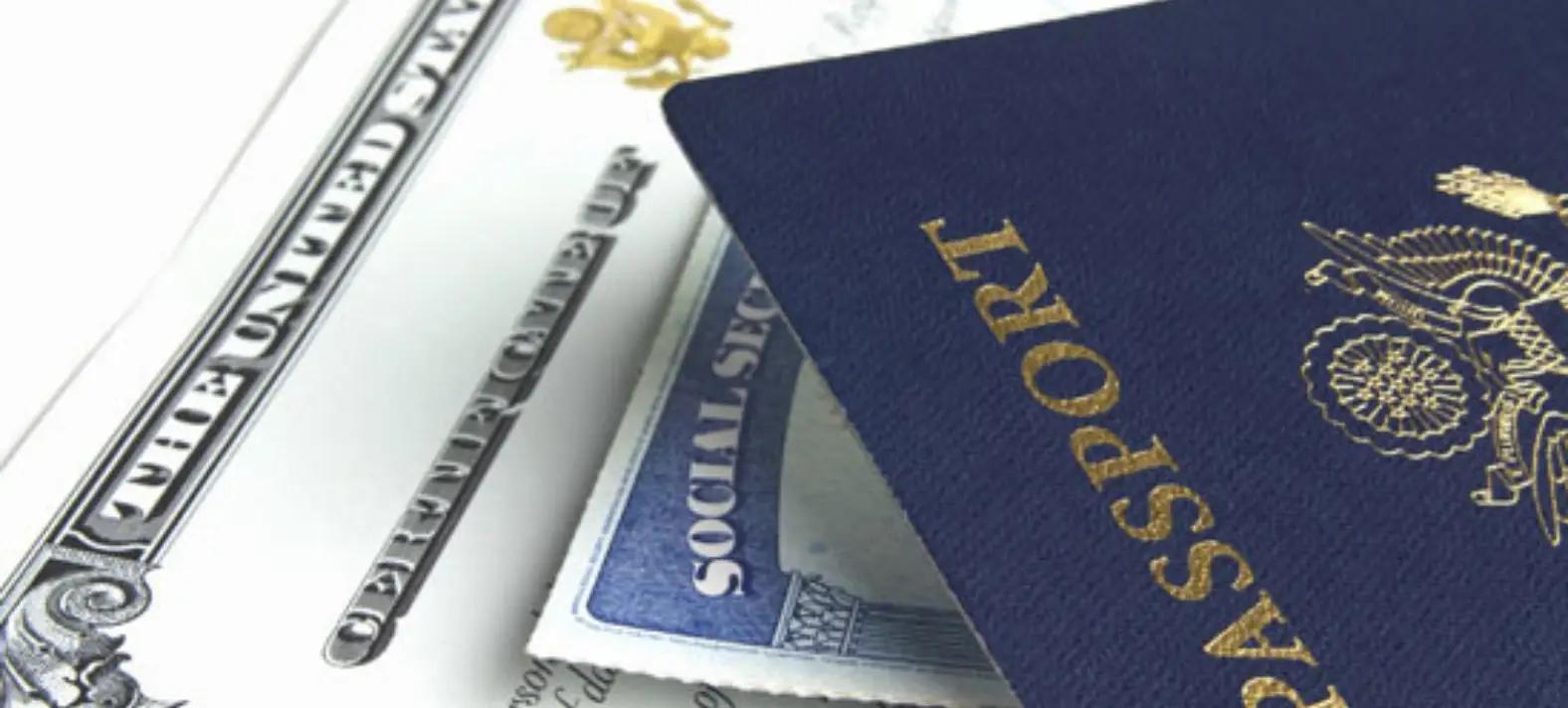
To qualify, you’ll need:
- Valid Passport
- Job Offer Letter from your U.S. employer
- Form I-797 Approval Notice from USCIS
- DS-160 Confirmation Page
- Evidence of Qualifications (degree, resume, licenses)
- Proof Of Intent To Return Home
- Supporting Documents for Visa Category (awards, professional recognition, labor certification if needed)
How Long Does It Take To Get A Temporary Work Visa?
Processing times vary by visa type and country:
- USCIS Petition Processing: 2–6 months on average
- Premium Processing: 15 calendar days (if available)
- Consulate Interview Scheduling: Weeks to months, depending on location
- Overall Timeline: Typically 4–8 months from job offer to start date
Tip: Planning early improves your chances. Delays in document processing or petition errors can push timelines even further out.
Want to explore all U.S. visa types? Check our Visa Guide. Simplify your immigration planning.
FAQs About Temporary Work Visa In The USA
2. Can You Work Temporarily In The USA?
Yes, if you qualify for a temporary work visa and your visa is approved. Your work must match the visa category and employer sponsor.
3. How Long Can You Stay In The US With A Temporary Work Visa?
Temporary visas are valid for the duration of your employment or visa category. H-1B, for example, starts at 3 years, with extensions possible up to 6 years. H-2B may be valid for just a few months per season.
4. How Long Does It Take To Get A US Temporary Work Visa?
Processing depends on visa type, petition approval, and consulate wait times. On average, it takes 4–8 months, but premium processing can shorten it to 15 days for some visas.
Conclusion
If you’ve read this far, you now know the main eligibility factors for a temporary visa to work in the USA.
The key questions are: do you have a qualifying job offer?, does your education, skills, or experience match a visa category?, can you prove intent to return home if required?
Even if you meet most requirements, a professional evaluation can save time and avoid costly mistakes.
With the right guidance, qualifying for a temporary work visa is achievable. Taking the first step now can open doors to a career and experience in the U.S. without unnecessary delays.
Contact us today to see if you qualify and explore long-term options like EB NIW.